Why Ancillary Equipment Is the Backbone of Every Keg Line
When breweries shop for a kegging system, attention naturally goes to the filler — the machine that washes, fills, and seals the keg. But a filler doesn’t operate in isolation. In a working keg line, it’s supported by a chain of ancillary equipment that moves kegs in, verifies quality, and moves finished product out. Co.Mac’s keg line range makes this explicit, organizing ancillary machines into distinct functional groups that most breweries only think about after their first bottleneck.
Start and End of Line: Getting Kegs In and Out
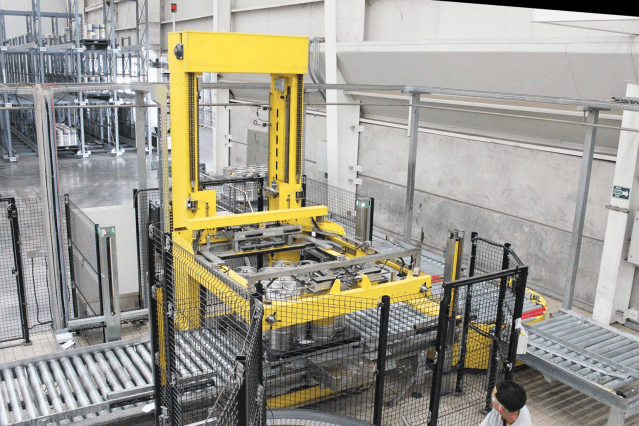
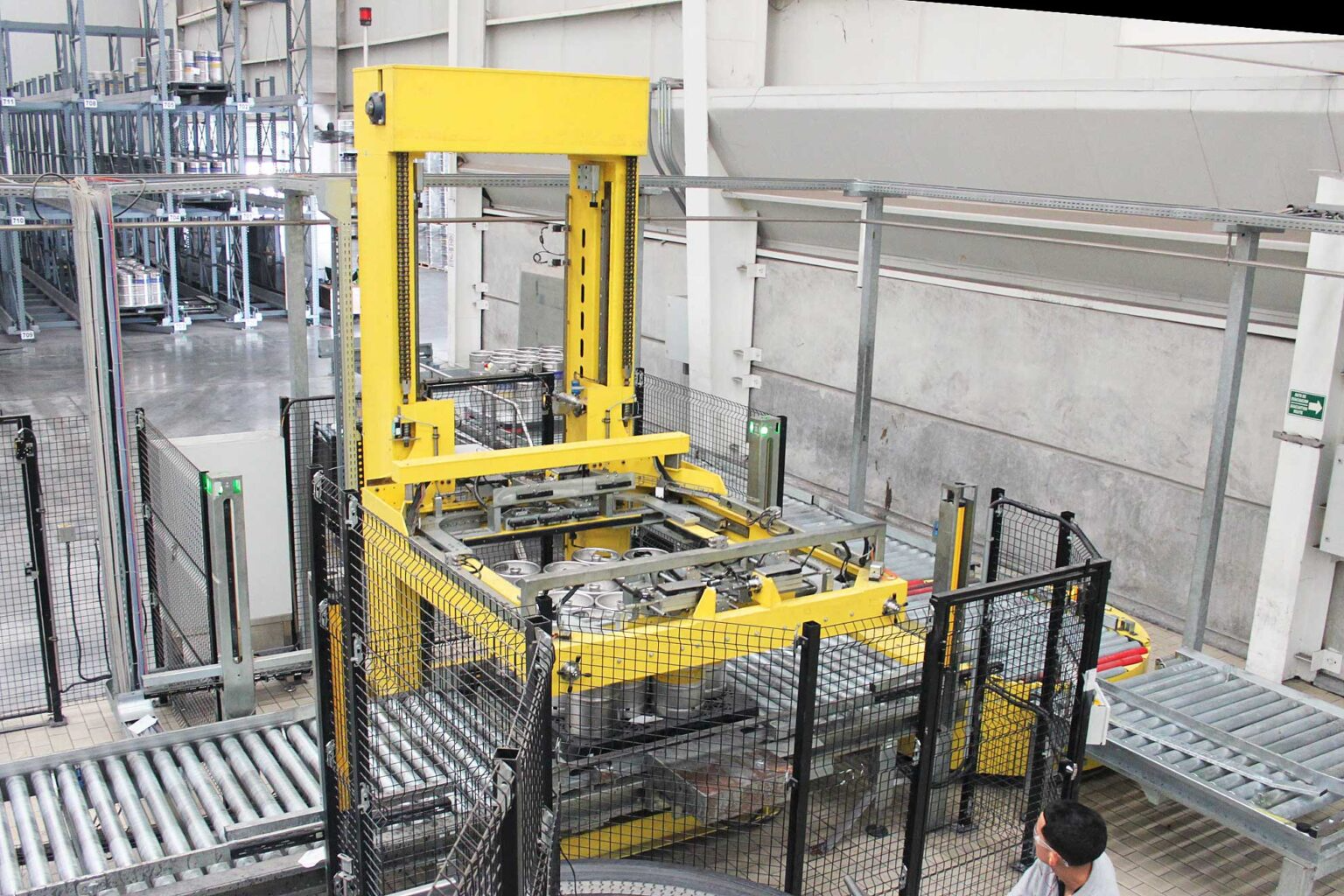
Before a keg reaches the filler, it typically comes off a pallet — by hand at small scale, or via a depalletizer at higher volumes. After filling, finished kegs need to be re-palletized, stacked, and staged for shipping. Co.Mac’s start/end-of-line equipment includes depalletizers, palletizers, pallet stackers and destackers, centering devices, and pallet warehouses. Skipping automation here is a common reason a brewery’s expensive filler still can’t hit its rated throughput — the bottleneck simply moves to the manual handling on either side of it.
Control Stations: Where Quality Gets Verified
A filled keg looks the same whether it’s perfectly sealed or has a faulty valve. Control stations catch what the eye can’t: integrity and fitting verification, weight checking, temperature monitoring, pressure inspection, centrifuge testing, and keg inspection devices all sit inline to confirm each keg meets spec before it ships. For breweries that have had a bad batch reach a distributor, this category of equipment is the difference between catching a problem on the line and catching it in a customer complaint.
Processing Equipment: Between Wash and Fill
Keg turners, external washers, collar application and extraction systems, capping robots, and cappers/decappers handle the steps that prepare a keg’s exterior and closures for the next fill cycle. This equipment matters most for breweries reusing steel kegs at volume, where collars and caps need to come off and go back on reliably, thousands of times, without damaging the keg or slowing the line.
Process Systems: Protecting the Beer Itself
Flash pasteurizers, cleaning solution tanks, saturation units, and CIP (clean-in-place) systems operate behind the scenes to protect what’s inside the keg rather than the keg itself. These systems determine shelf life and consistency far more than the filler’s fill speed does — a fast filler paired with weak sanitation just gets inconsistent beer to market faster.
Building a Line, Not Buying a Machine
- Map your current manual steps — loading, unloading, quality checks — and identify which ones actually limit your throughput today.
- Prioritize ancillary equipment that removes your specific bottleneck, rather than buying a full ancillary suite you don’t yet need.
- Choose a supplier who engineers filler and ancillary equipment together, so components integrate rather than requiring custom retrofits.
- Plan for the control stations early — catching defects inline is cheaper than any other point in the process.
Co.Mac’s approach — three decades of building filler and ancillary equipment as an integrated system — reflects a simple reality: a keg line’s real capacity and quality are set by its weakest station, not its fastest one.
This is also why ancillary equipment deserves the same scrutiny in a purchasing decision as the filler itself. A brewery that specifies a high-speed filler alongside undersized control stations or manually operated end-of-line handling hasn’t actually bought a high-speed line — it’s bought a high-speed filler with a slow line wrapped around it. Evaluating filler and ancillary equipment together, ideally from a single engineering source, is the more reliable path to the throughput and quality a brewery is actually paying for.